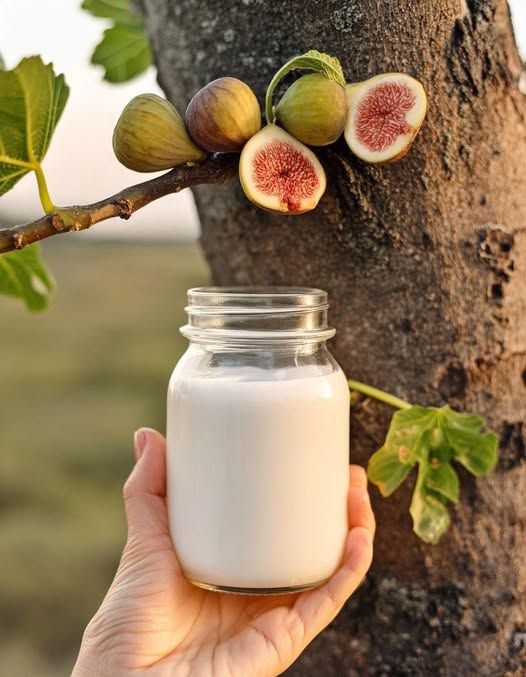
Sycamore fig refers to a specific species of fig tree known scientifically as Ficus sycomorus, and it’s quite different from the sycamore trees you might think of in Europe or North America. (Wikipedia)
🌳 What Is the Sycamore Fig?
- It’s a fig tree in the mulberry and fig family (Moraceae), not related to plane trees often called “sycamores” in other regions. (Wikipedia)
- The tree can grow up to about 20 m tall with a broad, spreading canopy. (Wikipedia)
- Leaves are heart‑shaped and rough to the touch. (Wikipedia)
- It produces edible fig‑like fruit (2–3 cm in diameter) that ripen from green to yellow or red and grow in clusters. (Wikipedia)
🍈 Where It Grows
The sycamore fig is native to tropical and subtropical regions of Africa and the Middle East and is found naturally near rivers and woodlands. (Infonet Biovision)
🌿 Uses & Importance
🍉 Edible fruit
The figs are eaten fresh, cooked, or dried, and in some regions even used in beverages and food preparations. (Infonet Biovision)
🌿 Traditional medicine
Parts of the tree have been used in folk medicine—bark, latex, and leaves are applied or prepared for various ailments, from digestive issues to skin conditions (though scientific evidence is limited). (Infonet Biovision)
💼 Other uses
- The wood is used locally for tools and firewood. (Infonet Biovision)
- The tree provides shade and is valued in landscaping. (Infonet Biovision)
📜 Cultural & Historical Significance
The sycamore fig has a long history in ancient cultures, especially in ancient Egypt and the Middle East, where it was both a food source and symbolic tree. (Sacrilo)
🌱 Key Features at a Glance
| Feature | Detail |
|---|---|
| Scientific name | Ficus sycomorus |
| Common names | Sycamore fig, fig‑mulberry |
| Fruit | Edible fig‑like fruits |
| Native habitat | Africa, Middle East |
| Uses | Food, folk medicine, shade tree |
If you want, I can also tell you simple culinary and traditional uses of sycamore fig fruit! Would you like that?
