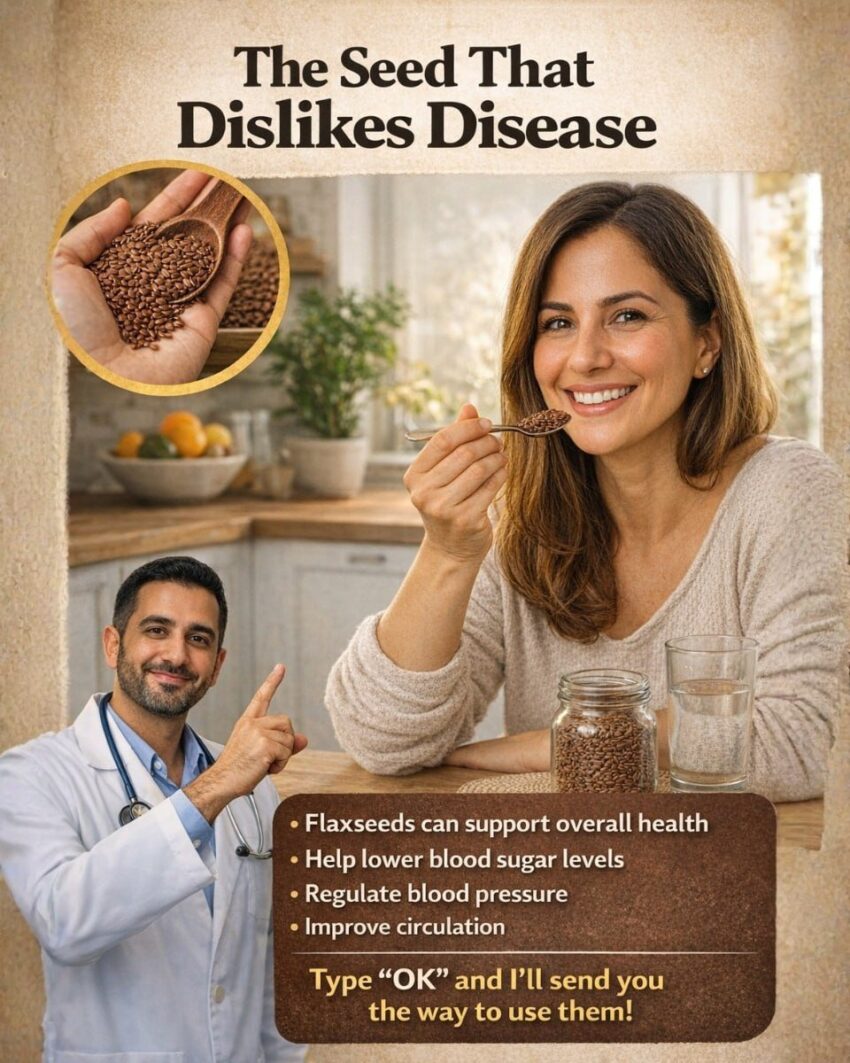
- That phrase—“The Seed That Dislikes Disease”—is most commonly used as a catchy way to refer to black seed, especially Nigella sativa, also known as black cumin.
Why it’s called that
It comes from traditional medicine systems where black seed was believed to support the body’s defenses against illness. The phrase is basically a marketing-style summary of its reputation as a “health-supporting seed.”
What it actually does (based on research)
Black seed contains active compounds like thymoquinone, which have been studied for:
- Anti-inflammatory effects
- Antioxidant activity
- Mild immune system support
- Possible benefits for blood sugar and cholesterol regulation
Important reality check
Despite the nickname, it does not prevent or cure diseases on its own. Scientific evidence supports it as a supportive supplement, not a treatment.
Common uses today
- Sprinkled on food (flatbreads, salads)
- Taken as oil or capsules
- Used in traditional herbal remedies
If you want, I can explain what health benefits are actually well-supported vs. exaggerated when it comes to black seed oil.