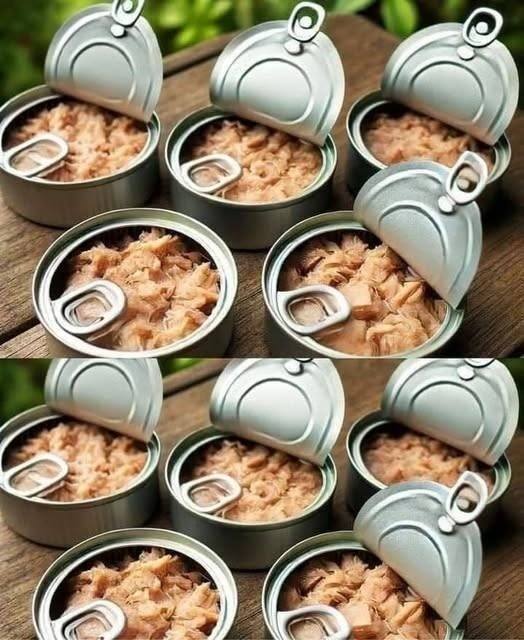
Here’s a thorough look at tuna cans — their types, uses, nutrition, and safety tips:
1. Types of Tuna in Cans
- Light Tuna: Usually skipjack tuna; milder flavor, lower mercury content.
- Albacore Tuna (White Tuna): Firm texture, richer flavor, slightly higher mercury.
- Chunk vs. Solid:
- Chunk: Flaked pieces, more common for salads or sandwiches.
- Solid/Steak: Whole pieces, firmer, better for grilling or recipes where the fish should hold its shape.
- Oil-Packed vs Water-Packed:
- Oil-Packed: Richer taste, higher calories.
- Water-Packed: Lower calories, lighter flavor.
2. Nutritional Value (per 100 g canned tuna, in water)
- Calories: ~116 kcal
- Protein: ~26 g
- Fat: ~1 g
- Omega-3 fatty acids: ~0.2–0.3 g
- Vitamins: B12, Niacin (B3), Selenium
- Mercury content varies; albacore has more than light tuna
Tuna is an excellent source of lean protein and heart-healthy omega-3 fatty acids, but limit albacore to ~4 oz/week for adults due to mercury.
3. Culinary Uses
- Sandwiches & Wraps – classic tuna salad or mixed with avocado.
- Salads – add to leafy greens, pasta salads, or grain bowls.
- Casseroles & Bakes – tuna noodle casserole is a classic comfort dish.
- Snacks & Quick Meals – mixed with olive oil, lemon, and spices for a quick protein boost.
4. Storage and Safety
- Unopened cans: Store in a cool, dry place; shelf life ~2–5 years.
- Opened cans: Transfer contents to a sealed container and refrigerate; use within 2–3 days.
- Check for safety: Avoid cans that are bulging, rusted, or leaking.
5. Environmental Considerations
- Look for “Dolphin Safe” or MSC-certified tuna for sustainable fishing.
- Skipjack is generally considered a more sustainable choice than albacore.
If you like, I can also make a comparison chart of the top canned tuna brands based on taste, mercury levels, and sustainability, which is helpful if you buy tuna often. Do you want me to do that?
