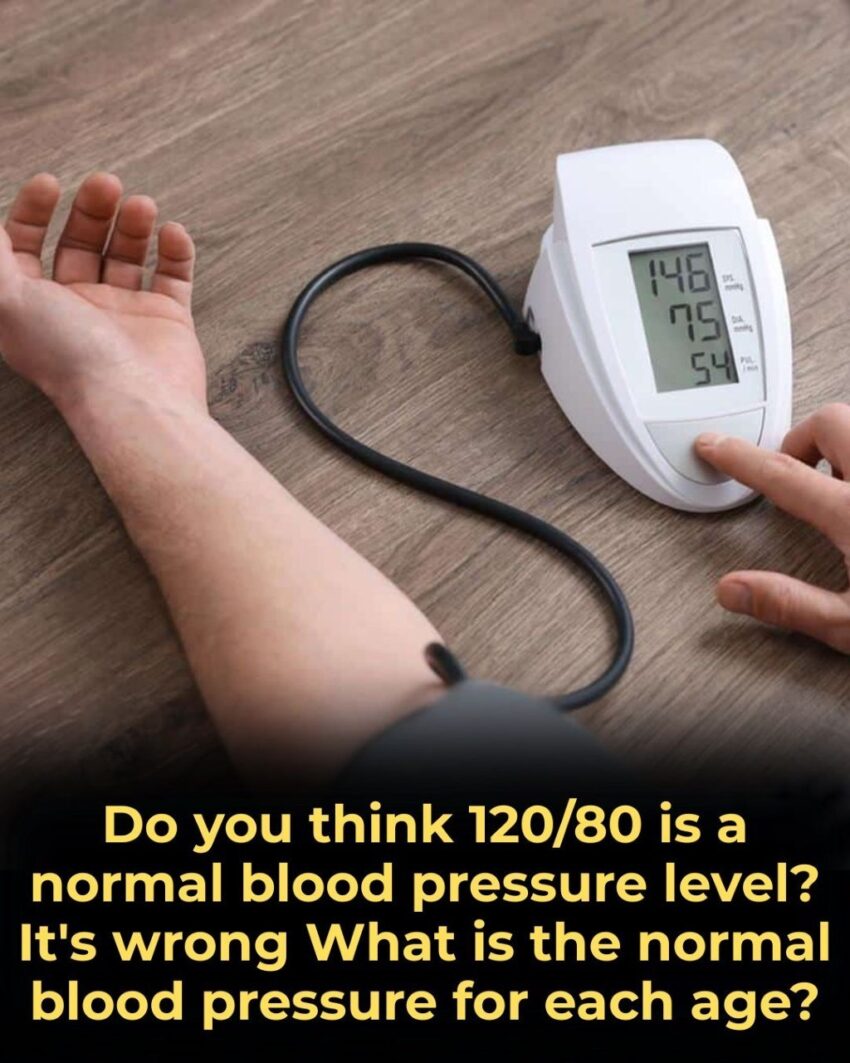
Here’s a clear, medically accurate guide to normal blood pressure by age.
🫀 Understanding Blood Pressure
Written as: Systolic / Diastolic (mmHg)
Example: 120/80
- Systolic (top number): Pressure when the heart beats
- Diastolic (bottom number): Pressure when the heart relaxes
👶 Children (Under 13 Years)
In children, normal BP depends on age, sex, and height percentile. Doctors use growth charts, but typical resting ranges are:
| Age | Approximate Normal Range |
|---|---|
| Newborn | 60–90 / 20–60 |
| 1–12 months | 80–100 / 50–65 |
| 1–5 years | 90–110 / 55–75 |
| 6–12 years | 100–120 / 60–75 |
⚠️ A pediatrician must interpret readings using percentile charts.
👦 Teens (13–17 Years)
Same categories as adults:
- Normal: <120 / <80
- Elevated: 120–129 / <80
- High (Stage 1): 130–139 / 80–89
- High (Stage 2): ≥140 / ≥90
👨 Adults (18–59 Years)
| Category | Systolic | Diastolic |
|---|---|---|
| Normal | <120 | <80 |
| Elevated | 120–129 | <80 |
| High BP (Stage 1) | 130–139 | 80–89 |
| High BP (Stage 2) | ≥140 | ≥90 |
| Hypertensive Crisis | ≥180 | ≥120 |
👴 Adults 60+
Targets may vary based on overall health:
- Many guidelines aim for under 130/80 if tolerated.
- Some providers accept under 140 systolic depending on medical history.
Treatment goals are individualized.
🧪 Important Notes
- BP changes throughout the day.
- Diagnosis requires multiple readings on different days.
- Home monitoring can improve accuracy.
🚨 Seek urgent care if BP is 180/120 or higher, especially with:
- Chest pain
- Severe headache
- Vision changes
- Shortness of breath
If you’d like, tell me:
- Your age
- Your most recent reading
I can explain exactly what category it falls into.
