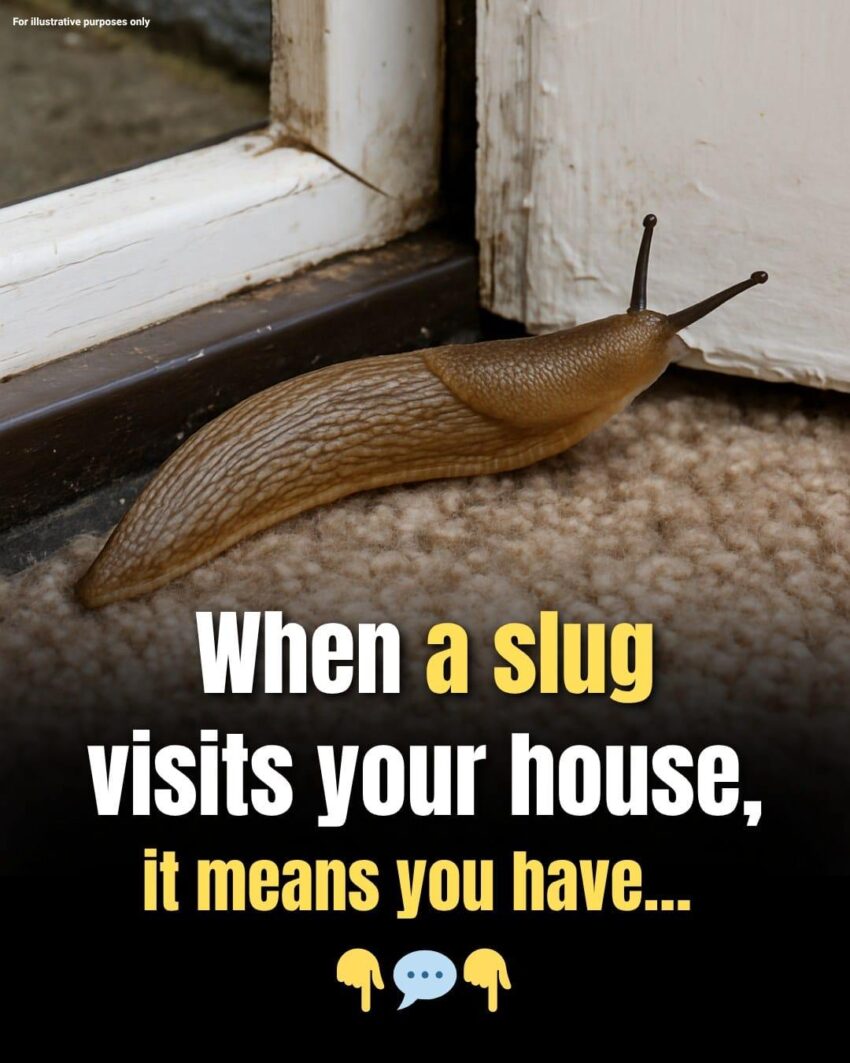
Slugs don’t exactly win popularity contests—but they quietly do a lot of important work in the natural world. Here’s why they deserve more credit than they usually get:
🌱 1. Nature’s recyclers
Slugs are part of the decomposer crew. They feed on:
- Dead plants
- Fungi
- Decaying organic matter
By breaking this down, they return nutrients to the soil, helping plants grow.
🍄 2. They help spread fungi
Slugs often eat fungi and spores, then spread them through their movement and waste. This supports ecosystems where fungi play a key role in plant health.
🐾 3. Important food source
They’re a meal for many animals, including:
- Birds
- Frogs
- Beetles
- Small mammals
Without slugs, parts of the food chain would struggle.
🌍 4. Soil health boosters
As they move and feed, slugs:
- Help mix organic material into the soil
- Contribute to nutrient cycling
🧪 5. Useful in science
Some slug species are studied in biology and neuroscience because of their relatively simple nervous systems, which help scientists understand how learning and memory work.
⚖️ 6. Not always garden villains
While they can damage crops, most slugs:
- Prefer decaying matter over healthy plants
- Only become a problem when populations get too large
🧠 Interesting fact
Slugs produce mucus that helps them move—and scientists study it for potential uses in medical adhesives and wound healing.
✔️ Bottom line
👉 Slugs may look slimy and annoying, but they play a valuable role in ecosystems
👉 They help recycle nutrients, support food chains, and even contribute to science
If you want, I can show you how to control slugs naturally in a garden without harming the ecosystem 🌿
