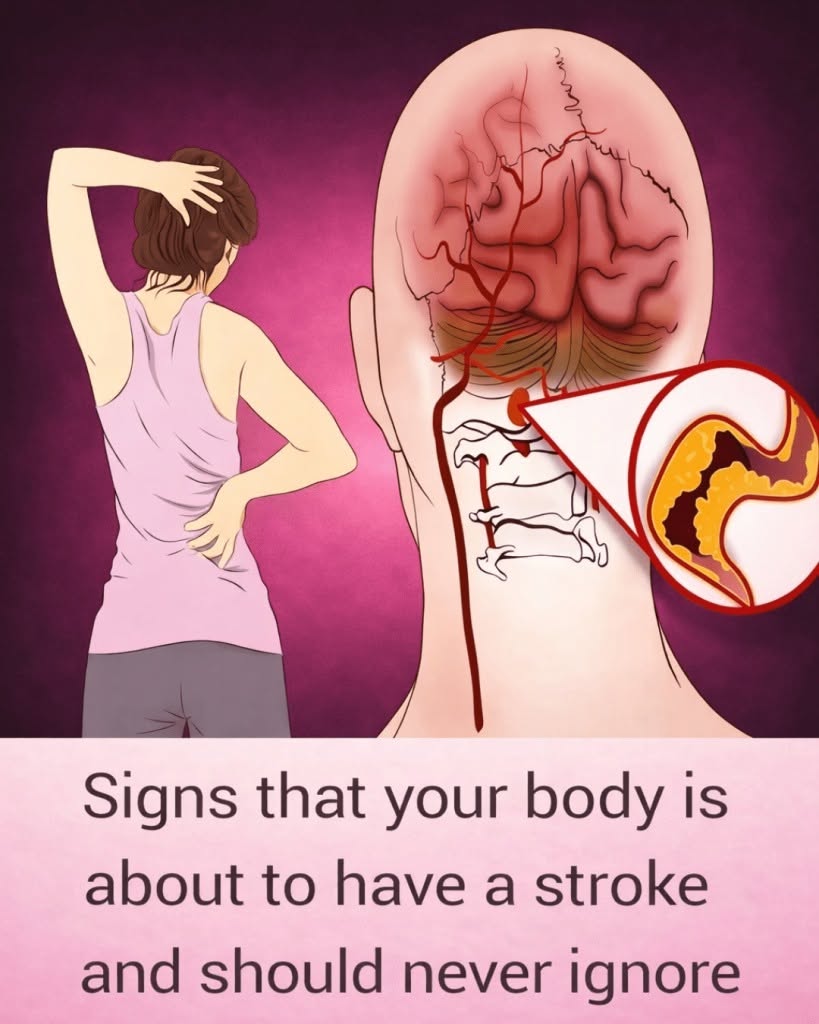
10 Early Warning Signs of a Stroke
A stroke occurs when blood flow to part of the brain is interrupted or when a blood vessel in the brain ruptures. Recognizing the symptoms and getting emergency medical care immediately can save brain tissue and improve recovery.
1. Sudden weakness or numbness
- Especially in the face, arm, or leg
- Usually affects one side of the body
2. Face drooping
One side of the face may droop or feel numb. The person may have an uneven smile.
3. Trouble speaking
Signs include:
- Slurred speech
- Difficulty finding words
- Trouble understanding others
4. Sudden vision changes
These may include:
- Blurred vision
- Double vision
- Loss of vision in one or both eyes
5. Sudden severe headache
A sudden, intense headache with no obvious cause—particularly if accompanied by other neurological symptoms—can be a sign of a stroke, especially a bleeding stroke.
6. Dizziness or loss of balance
The person may:
- Feel suddenly dizzy
- Have trouble walking
- Lose coordination
7. Confusion
A person may suddenly seem confused or have difficulty understanding simple instructions.
8. Difficulty swallowing
Although less common, a stroke can affect the muscles involved in swallowing.
9. Sudden trouble walking
New difficulty walking, stumbling, or poor coordination can be a warning sign.
10. Loss of consciousness or severe drowsiness
Some strokes, especially larger ones or bleeding strokes, can cause reduced alertness or loss of consciousness.
Remember FAST
The FAST test is one of the easiest ways to recognize a stroke:
- F – Face: Ask the person to smile. Does one side droop?
- A – Arms: Ask them to raise both arms. Does one drift downward?
- S – Speech: Ask them to repeat a simple sentence. Is the speech slurred or unusual?
- T – Time: Call your local emergency services immediately. Do not wait to see if symptoms improve.
Even if symptoms disappear
If symptoms last only a few minutes and then go away, the person may have had a transient ischemic attack (TIA), or “mini-stroke.” A TIA is a medical emergency because it can be a warning sign that a full stroke may follow.
Risk factors include
- High blood pressure
- Diabetes
- High cholesterol
- Smoking
- Atrial fibrillation (an irregular heart rhythm)
- Obesity
- Physical inactivity
Seek emergency medical care immediately if you or someone else develops any sudden stroke symptoms.
Early treatment can greatly improve the chances of recovery and reduce the risk of long-term disability.
