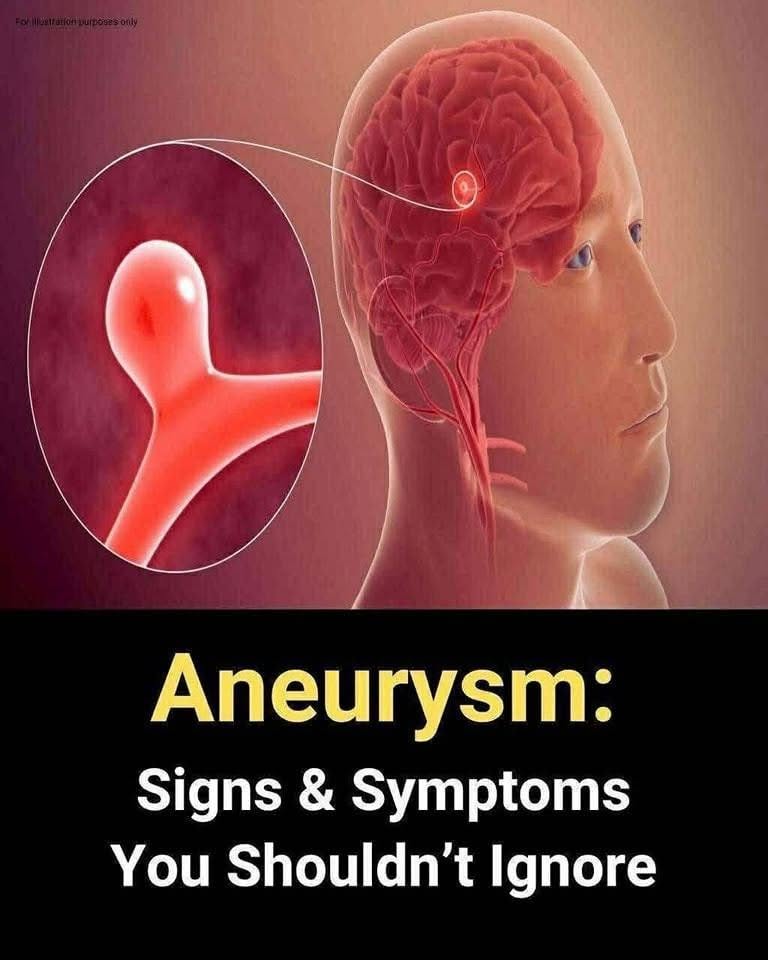
Aneurysm: Signs You Shouldn’t Ignore
An aneurysm occurs when a weakened area of a blood vessel wall becomes enlarged or bulges. Many aneurysms cause no symptoms, but if one grows or ruptures, it can become life-threatening. Knowing the warning signs can help you seek care quickly.
Possible warning signs of a brain aneurysm
A small, unruptured brain aneurysm may not cause symptoms. When symptoms occur, they may include:
- A sudden, severe headache
- Often described as a “worst headache of your life”
- A major warning sign of possible rupture
- Vision changes
- Blurred or double vision
- Loss of vision
- Pain around or behind the eye
- Facial or eye changes
- Drooping eyelid
- Unequal pupils
- Pain above or behind the eye
- Neurological symptoms
- Weakness or numbness on one side of the body
- Trouble speaking
- Confusion
- Seizures
Possible warning signs of an aortic aneurysm
An aneurysm in the body’s main artery (the aorta) may cause:
- Chest, back, or abdominal pain
- A feeling of pressure or fullness
- Shortness of breath
- Hoarseness or difficulty swallowing (if it presses on nearby structures)
A ruptured aortic aneurysm may cause:
- Sudden severe chest, back, or abdominal pain
- Fainting
- Rapid heartbeat
- Weakness, dizziness, or signs of shock
Risk factors that increase aneurysm risk
- Smoking
- High blood pressure
- Older age
- Family history of aneurysms
- Certain inherited connective tissue disorders
- Atherosclerosis (hardening of the arteries)
Seek emergency help immediately for:
- A sudden, explosive headache
- Sudden weakness, numbness, or difficulty speaking
- Sudden severe chest, back, or abdominal pain
- Collapse or loss of consciousness
Many aneurysms can be detected and monitored before they become dangerous. Regular medical care is especially important if you have risk factors or a family history of aneurysms.
