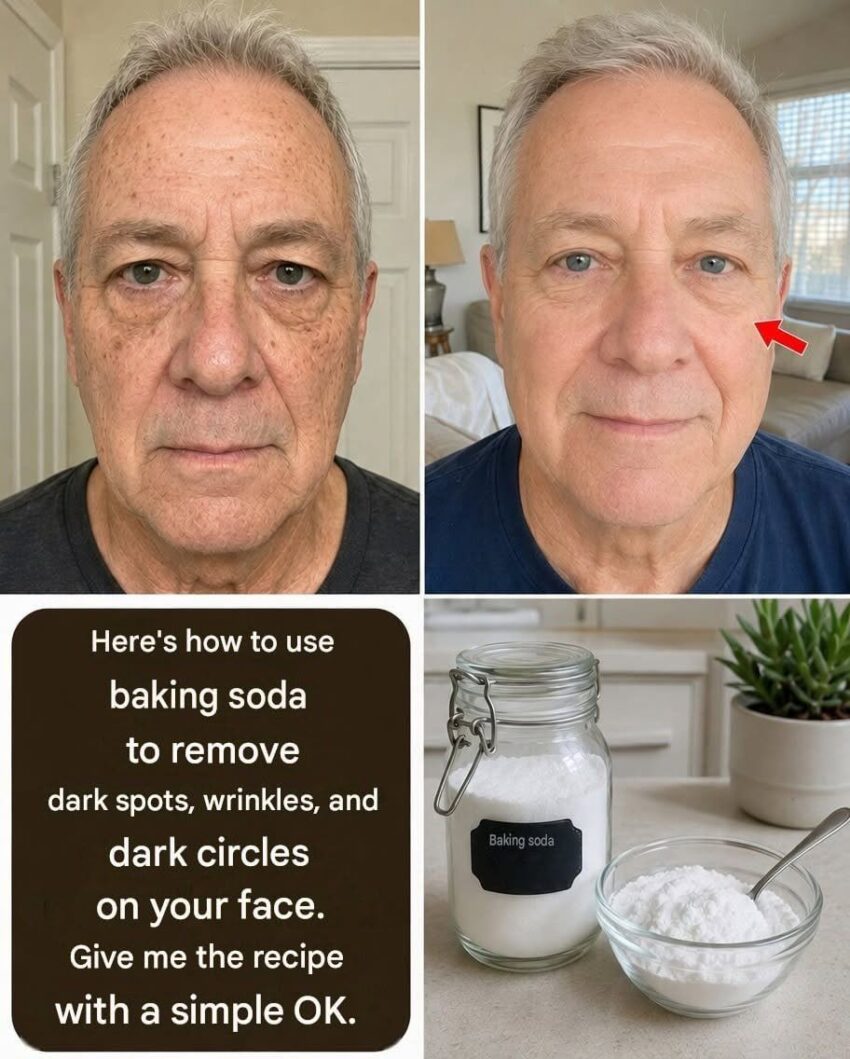
Baking soda (sodium bicarbonate) on the face: benefits, risks, and safe use
Baking soda is sometimes used in DIY skincare because it is inexpensive and mildly abrasive. However, it is not a dermatologist-recommended facial treatment for most people, because it can disrupt the skin’s natural barrier.
Possible benefits (limited evidence)
- Gentle physical exfoliation: Its fine texture may remove some surface dead skin cells when used very carefully.
- Temporary oil reduction: It may make oily skin feel less greasy for a short time.
- Odor control: Baking soda can absorb odors, though this is more relevant for areas like feet or underarms than facial skin.
Risks and side effects
- Skin barrier damage: Facial skin is naturally slightly acidic (the “acid mantle”). Baking soda is alkaline and may increase dryness or irritation.
- Redness and burning: Especially in sensitive skin.
- Breakouts or worsening acne: Irritation can aggravate some skin conditions.
- Dryness and peeling: Frequent use may strip protective oils.
- Increased sensitivity: Skin may react more strongly to other products afterward.
How to use it more safely (if you choose to try it)
- Avoid using it as a daily cleanser or scrub.
- Patch test first on a small area.
- Do not apply to broken, irritated, sunburned, or eczema-prone skin.
- Avoid scrubbing hard.
- Stop if you feel burning, itching, or prolonged redness.
- Moisturize afterward.
Gentle DIY alternatives to baking soda-based “recipes”
Instead of baking soda masks, these options are generally gentler:
1. Oatmeal soothing mask
- Mix finely ground plain oats with water or plain yogurt.
- Apply for 10–15 minutes, then rinse gently.
2. Honey hydration mask
- Apply a thin layer of plain honey for 10 minutes.
- Rinse and moisturize.
3. Aloe vera soothing gel
- Use a simple aloe vera gel product without added fragrance.
- Apply briefly and rinse if irritation occurs.
4. Yogurt exfoliating mask
- Plain yogurt contains lactic acid, which may provide mild exfoliation.
- Apply briefly, then rinse.
For concerns like acne, dark spots, wrinkles, or oily skin, there are usually better-studied ingredients (such as salicylic acid, niacinamide, retinoids, or gentle moisturizers) that are designed for facial skin.
