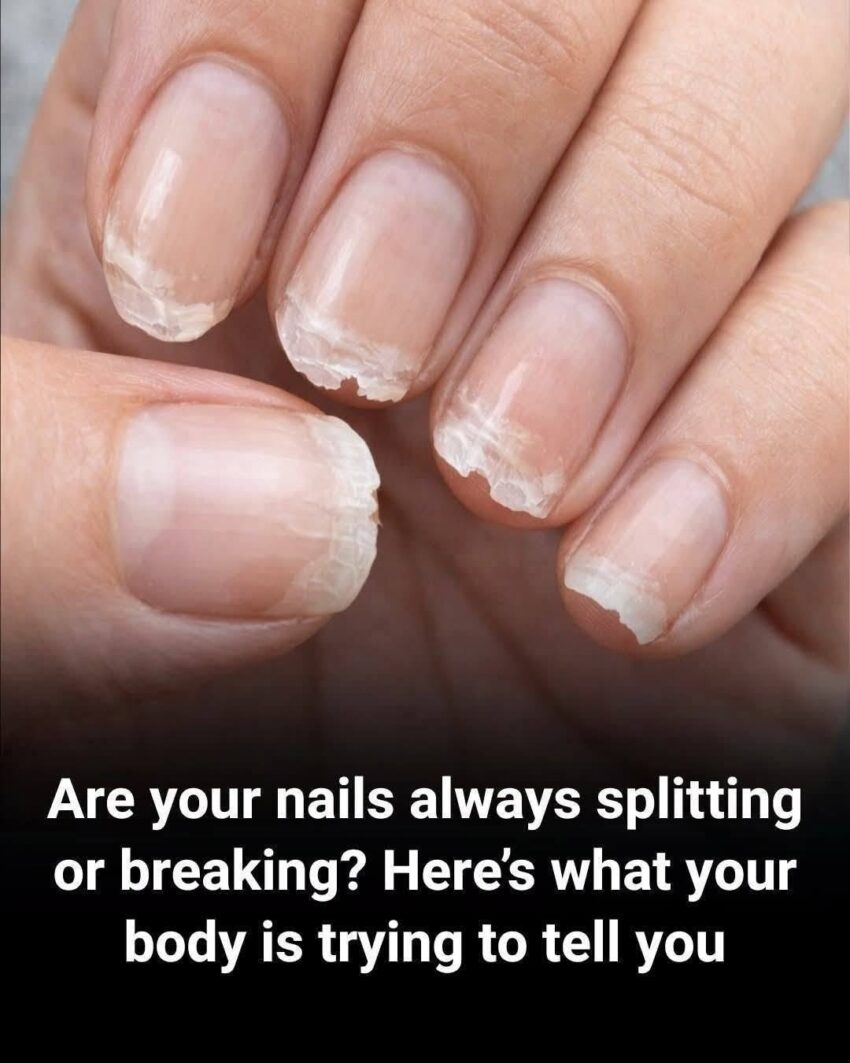
Brittle or Fragile Nails: What Your Body May Be Trying to Tell You
Brittle nails are common and can happen to anyone. Nails that split, peel, crack, break easily, or feel unusually thin are often caused by simple factors such as dryness or repeated exposure to water and chemicals. However, sometimes changes in nail strength can be a clue that something else is affecting your health.
The important point: brittle nails do not automatically mean you have a serious disease or nutrient deficiency. The cause depends on your overall health, habits, medications, and other symptoms.
How Healthy Nails Normally Grow
Nails are made mostly of a protein called keratin. Healthy nails typically:
- Grow steadily.
- Have a smooth surface.
- Are firm but flexible.
- Have consistent color and texture.
Fingernails grow slowly (around a few millimeters per month), so changes in nail appearance may reflect events from weeks or months earlier.
Common Reasons Nails Become Brittle
1. Dryness and Dehydration of the Nail Plate
One of the most common causes of fragile nails is loss of moisture.
This can happen from:
- Frequent hand washing.
- Using alcohol-based sanitizers.
- Cold, dry weather.
- Excessive exposure to water.
- Harsh soaps and cleaning products.
Signs:
- Nails peel in layers.
- Nail edges split.
- Nails feel rough.
Helpful steps:
- Use moisturizer after washing hands.
- Wear gloves when using cleaning products.
- Avoid prolonged soaking of nails.
2. Frequent Use of Nail Products
Beauty treatments can weaken nails over time.
Possible contributors:
- Gel manicures.
- Acrylic nails.
- Frequent nail polish remover use.
- Harsh chemicals.
Acetone-based removers, especially when used often, can dry out the nail surface.
Tips:
- Take breaks between artificial nail treatments.
- Avoid peeling off gel polish.
- Use gentle removers when possible.
3. Nutritional Deficiencies
Nails require adequate nutrients for normal growth. Certain deficiencies can affect nail strength.
Iron Deficiency
Iron deficiency anemia may sometimes be associated with:
- Brittle nails.
- Pale nails.
- Fatigue.
- Weakness.
- Shortness of breath with activity.
A specific nail change called spoon-shaped nails (koilonychia) can occur in some people with iron deficiency.
Vitamin B12 Deficiency
Vitamin B12 deficiency can affect many body systems.
Possible symptoms:
- Fatigue.
- Tingling or numbness.
- Changes in skin or nails in some cases.
Biotin Deficiency
Biotin (vitamin B7) is involved in keratin production.
True biotin deficiency is uncommon, but some people may have brittle nails associated with low biotin status.
High-dose biotin supplements are often marketed for nail growth, but evidence for routine supplementation in people without deficiency is limited.
4. Aging
As people get older, nails may naturally become:
- Thinner.
- Drier.
- More fragile.
- Slower-growing.
This happens because nail growth and moisture retention can decrease with age.
5. Thyroid Problems
Changes in thyroid function can affect hair, skin, and nails.
Both:
Hypothyroidism
and other thyroid disorders may be associated with nail changes.
Possible accompanying symptoms include:
Low thyroid:
- Fatigue.
- Feeling cold.
- Weight changes.
- Dry skin.
- Constipation.
- Slow heart rate.
6. Fungal Nail Infections
A fungal infection can change nail appearance.
Possible signs:
- Thickened nails.
- Yellow or white discoloration.
- Crumbling edges.
- Nail lifting from the nail bed.
Treatment depends on the severity and may require antifungal medication.
7. Skin Conditions Affecting Nails
Certain skin diseases can involve the nails.
Examples include:
Psoriasis
which may cause:
- Nail pitting (small dents).
- Nail separation.
- Thickening.
- Color changes.
8. Repeated Physical Stress
Daily activities can weaken nails.
Examples:
- Typing.
- Gardening.
- Cleaning.
- Using nails as tools.
- Frequent exposure to water.
Small repeated injuries can gradually make nails fragile.
When Brittle Nails May Need Medical Attention
Consider seeing a healthcare professional if nail changes are:
- Sudden or severe.
- Affecting many nails at once.
- Getting progressively worse.
- Associated with pain or swelling.
- Accompanied by fatigue, weight changes, or other symptoms.
Seek evaluation if you notice:
- A dark streak under a nail that changes over time.
- Significant nail separation.
- Unexplained nail deformity.
- Signs of infection.
What You Can Do to Strengthen Brittle Nails
1. Moisturize Regularly
Use:
- Hand cream.
- Cuticle oil.
- Petroleum jelly.
Apply after washing hands and before bed.
2. Protect Your Hands
Wear gloves when:
- Washing dishes.
- Cleaning with chemicals.
- Gardening.
3. Keep Nails at a Practical Length
Long nails are more likely to catch and break.
Trim nails regularly and file rough edges gently.
4. Maintain a Balanced Diet
Support nail health with foods containing:
Protein:
- Eggs
- Fish
- Poultry
- Beans
- Lentils
Iron:
- Meat
- Beans
- Spinach
- Fortified foods
Zinc:
- Meat
- Seafood
- Nuts
- Seeds
Vitamin-rich foods:
- Fruits
- Vegetables
- Whole grains
5. Avoid Harmful Nail Habits
Try to avoid:
- Biting nails.
- Peeling nail polish.
- Using nails to open containers.
- Excessive artificial nail treatments.
Myths vs. Facts
Myth: Brittle nails always mean you lack vitamins.
Fact: Dryness, chemicals, aging, and repeated trauma are much more common causes.
Myth: Taking biotin will fix all nail problems.
Fact: Biotin helps mainly when there is a deficiency. It does not guarantee stronger nails for everyone.
Myth: Nail appearance can diagnose disease by itself.
Fact: Nail changes can provide clues, but diagnosis requires considering other symptoms and sometimes medical testing.
Key Takeaway
Brittle or fragile nails are often caused by dryness, frequent chemical exposure, aging, or physical stress. In some cases, they may be linked to conditions such as iron deficiency, thyroid disorders, fungal infections, or nutritional problems. Pay attention to sudden changes, multiple affected nails, or other symptoms, and support nail health through gentle care, protection, and a balanced diet.
