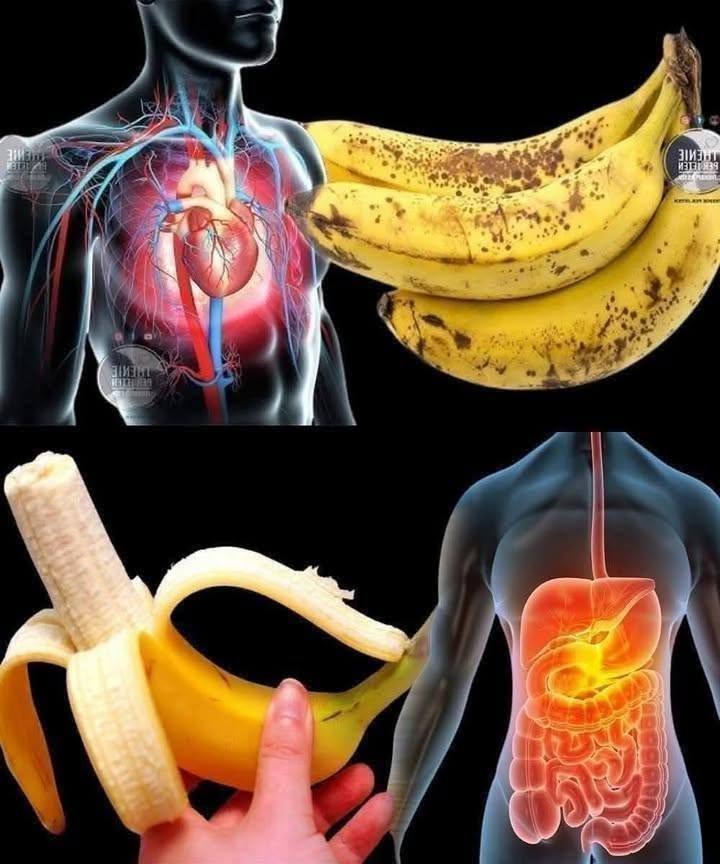
Did You Know That Eating Bananas Increases…?
Headlines like “Did you know that eating bananas increases…” are often designed to spark curiosity but leave out important context. Bananas can increase certain nutrients or physiological responses, but whether that’s beneficial depends on what’s being discussed.
Here’s what bananas are known to increase, based on current evidence.
1. Banana Increases Potassium Intake
Bananas are well known for their potassium content.
A medium banana provides about 420 mg of potassium, an essential mineral that helps:
- Maintain normal fluid balance.
- Support muscle contractions.
- Enable proper nerve function.
- Help regulate blood pressure by balancing the effects of sodium.
While bananas are a good source, foods such as potatoes, beans, spinach, yogurt, and avocados also provide substantial potassium.
2. Increases Fiber Intake
A medium banana contains about 3 grams of dietary fiber.
Fiber can:
- Promote regular bowel movements.
- Help you feel full longer.
- Support healthy blood sugar control.
- Feed beneficial gut bacteria.
Less-ripe bananas contain more resistant starch, which behaves like fiber and is fermented by bacteria in the large intestine.
3. Increases Energy Availability
Bananas contain natural carbohydrates in the form of:
- Glucose
- Fructose
- Sucrose
These carbohydrates are digested and absorbed to provide energy, making bananas a popular snack before or after exercise.
4. May Increase Feelings of Fullness
Because bananas contain both fiber and water, they can help increase satiety.
They are generally more filling than many processed snacks with a similar calorie content.
5. Increases Intake of Vitamins and Minerals
Bananas provide several nutrients, including:
- Vitamin B6
- Vitamin C
- Manganese
- Magnesium (in smaller amounts)
Vitamin B6 plays a role in:
- Protein metabolism
- Brain function
- Red blood cell production
6. May Support Exercise Performance
Bananas are commonly eaten by athletes because they provide:
- Easily digested carbohydrates
- Potassium
- Small amounts of magnesium
They can be a convenient source of fuel before or during prolonged physical activity.
Does Eating Bananas Increase Blood Sugar?
Yes—but that’s normal.
Bananas contain natural sugars, so they raise blood glucose after eating. However, because they also contain fiber, the rise is generally more gradual than with many sugary drinks or candies.
For most healthy people, bananas fit well into a balanced diet. People with Type 2 Diabetes may benefit from paying attention to portion size and pairing bananas with protein or healthy fats, such as yogurt or nuts.
Do Bananas Increase Body Weight?
Not by themselves.
Weight gain occurs when you consistently consume more calories than your body uses, regardless of whether those calories come from bananas or other foods.
A medium banana contains about 100–120 calories, making it a moderate-calorie fruit.
Do Bananas Increase Potassium Too Much?
For most healthy people, no.
However, people with advanced Chronic kidney disease may need to limit high-potassium foods because their kidneys cannot remove excess potassium effectively. They should follow advice from their healthcare team.
Myths vs. Facts
Myth: Bananas are “too sugary” to be healthy.
Fact: Bananas contain natural sugars along with fiber, vitamins, and minerals, making them a nutritious choice for most people.
Myth: Bananas cause belly fat.
Fact: No single food causes fat to accumulate around the waist. Overall calorie balance, physical activity, sleep, and genetics play much larger roles.
Myth: You should never eat bananas if you’re trying to lose weight.
Fact: Bananas can be part of a weight-loss eating pattern because they are filling, portable, and nutrient-dense. Portion size and total daily calorie intake matter more than avoiding one particular fruit.
Practical Tips
- Enjoy bananas as a snack on their own or with a source of protein, such as plain yogurt or a handful of nuts.
- Add sliced bananas to oatmeal or whole-grain cereal for extra fiber and sweetness.
- Use ripe bananas to naturally sweeten smoothies instead of adding sugar.
- If you have kidney disease or another condition requiring potassium restriction, ask your healthcare provider how much banana is appropriate for you.
Key Takeaway
The statement “Did you know that eating bananas increases…” is incomplete on its own. Bananas increase potassium, fiber, carbohydrate intake, and several vitamins, and they can support energy levels and digestive health. For most people, they are a healthy part of a balanced diet and do not inherently cause weight gain or poor health.
