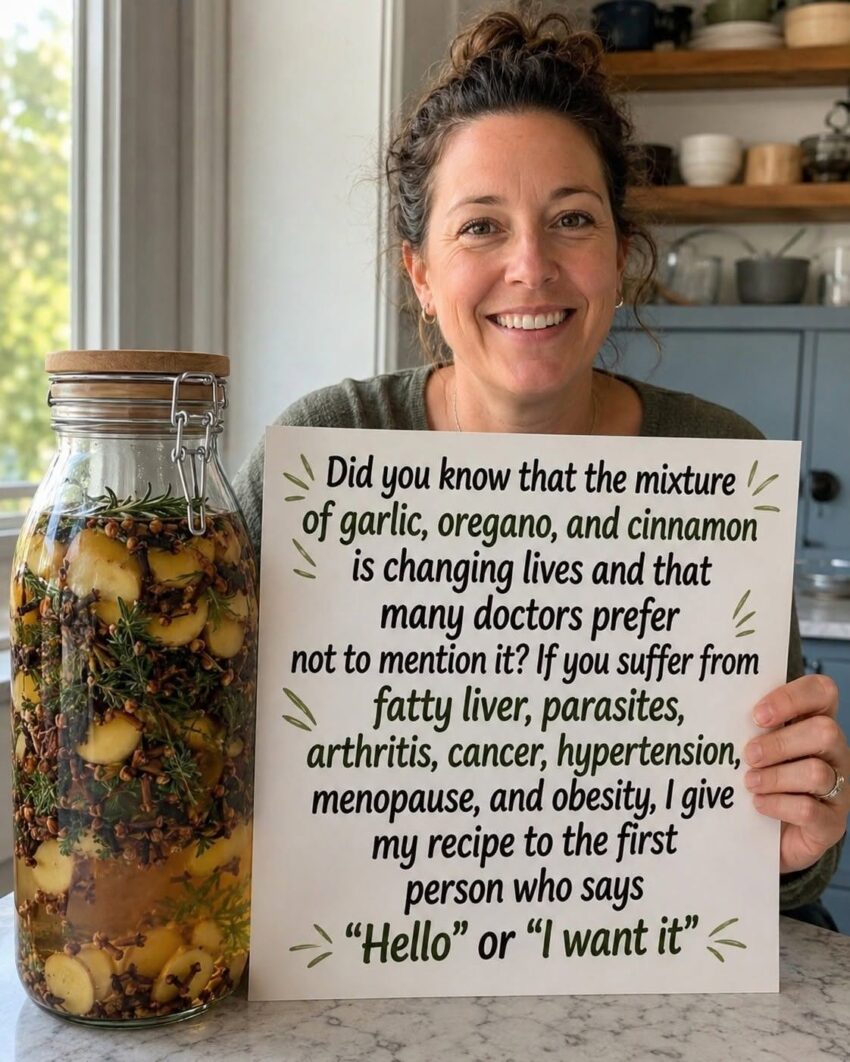
Did You Know That Garlic and Oregano Are Changing Lives, and Many Doctors Prefer Not to Mention It?
This type of headline is misleading. It combines a kernel of truth—that garlic and oregano contain biologically active compounds—with an unsupported suggestion that doctors are deliberately withholding information. In reality, many healthcare professionals discuss nutrition when there is good evidence to support it. Recommendations are based on the strength of scientific evidence, not on keeping effective remedies secret.
Here’s what the evidence shows.
Garlic: A Medicinal Food with Potential Health Benefits
Garlic has been used in cooking and traditional medicine for thousands of years.
Its characteristic compounds, particularly allicin, are formed when garlic is chopped, crushed, or chewed.
Potential Benefits
1. May Help Lower Blood Pressure
Several clinical trials and systematic reviews suggest that garlic supplements can modestly reduce blood pressure in some people with High blood pressure.
However:
- The effect is generally modest.
- Garlic is not a substitute for prescribed blood pressure medication.
- Benefits vary depending on the preparation and dose.
2. May Improve Cholesterol Levels
Some studies indicate that garlic supplements may modestly lower total cholesterol and LDL (“bad”) cholesterol, especially in people with elevated cholesterol.
The effects are usually small and should complement—not replace—healthy eating, exercise, and medications when prescribed.
3. Rich in Antioxidants
Garlic contains antioxidant compounds that may help protect cells from oxidative stress.
Oxidative stress is associated with aging and many chronic diseases, although eating garlic alone has not been shown to prevent these conditions.
4. May Support Immune Function
Some research suggests garlic may slightly reduce the frequency or duration of common colds, but the evidence is mixed and not strong enough to recommend garlic as a primary preventive treatment.
5. May Have Antimicrobial Activity
In laboratory studies, garlic has shown activity against certain bacteria, fungi, and viruses.
However, results from lab experiments do not necessarily mean that eating garlic or taking supplements will treat infections in people.
Oregano: More Than a Culinary Herb
Oregano is widely used in Mediterranean cuisine and contains plant compounds such as carvacrol and thymol.
Potential Benefits
1. Contains Antioxidants
Oregano provides antioxidants that help protect cells from oxidative damage.
Eating herbs and spices is one way to increase the variety of beneficial plant compounds in your diet.
2. Antimicrobial Properties in the Laboratory
Oregano and oregano oil have shown antibacterial and antifungal effects in laboratory settings.
However, laboratory findings should not be assumed to translate directly into effective treatments for human infections.
3. Anti-Inflammatory Effects
Animal and laboratory studies suggest compounds in oregano may influence inflammatory pathways.
More high-quality human research is needed to determine whether these effects lead to meaningful health benefits.
Can Garlic and Oregano Cure Diseases?
No.
There is no reliable scientific evidence that garlic or oregano can cure:
- Cancer
- COVID-19
- Type 2 Diabetes
- Alzheimer disease
- Serious bacterial infections
They may contribute to overall health as part of a balanced diet, but they should not replace evidence-based medical care.
Are Garlic Supplements Better Than Fresh Garlic?
Not necessarily.
The amount of active compounds varies depending on:
- The garlic variety.
- How it is prepared.
- How long it is cooked.
- The type of supplement.
Fresh garlic and supplements are not equivalent, and supplement quality can vary.
Can Oregano Oil Replace Antibiotics?
No.
Despite promising laboratory studies, oregano oil has not been shown to safely and effectively replace antibiotics for treating bacterial infections in humans.
Using oregano oil instead of prescribed treatment for a serious infection could allow the illness to worsen.
Possible Side Effects
Garlic
Garlic is generally safe in food amounts, but larger amounts or supplements may cause:
- Bad breath.
- Body odor.
- Heartburn.
- Stomach upset.
- Increased bleeding risk, particularly for people taking blood-thinning medications or before surgery.
Oregano and Oregano Oil
Oregano used in cooking is generally safe.
Concentrated oregano oil may:
- Irritate the mouth or stomach.
- Cause allergic reactions in some people.
- Interact with certain medications.
Supplements should be used with caution and discussed with a healthcare provider if you have chronic medical conditions or take prescription medicines.
Myths vs. Facts
Myth: Doctors don’t mention garlic and oregano because they don’t want people to know about them.
Fact: Healthcare professionals commonly recommend eating a variety of vegetables, herbs, and spices as part of a healthy diet. They are cautious about making stronger claims because the evidence for treating diseases with garlic or oregano is limited.
Myth: Natural products are always safe.
Fact: “Natural” does not always mean safe. Herbs and supplements can cause side effects and interact with medications.
Myth: Garlic and oregano can replace prescription medicines.
Fact: They should be viewed as foods or, in some cases, supplements with potential supportive benefits—not as replacements for treatments that have been proven to work.
Practical Ways to Include Them in Your Diet
- Add fresh garlic to soups, stir-fries, roasted vegetables, and sauces.
- Let chopped garlic sit for about 10 minutes before cooking, which may help preserve some allicin formation.
- Use oregano to season vegetables, fish, chicken, beans, and tomato-based dishes.
- Include a variety of herbs and spices to enhance flavor while reducing the need for excess salt.
Key Takeaway
Garlic and oregano are nutritious foods with bioactive compounds that may offer modest health benefits, including support for heart health and antioxidant intake. However, claims that they are “changing lives” while doctors intentionally avoid mentioning them are not supported by evidence. The strongest evidence supports using garlic and oregano as part of an overall healthy dietary pattern, not as cures or replacements for medical treatment.
