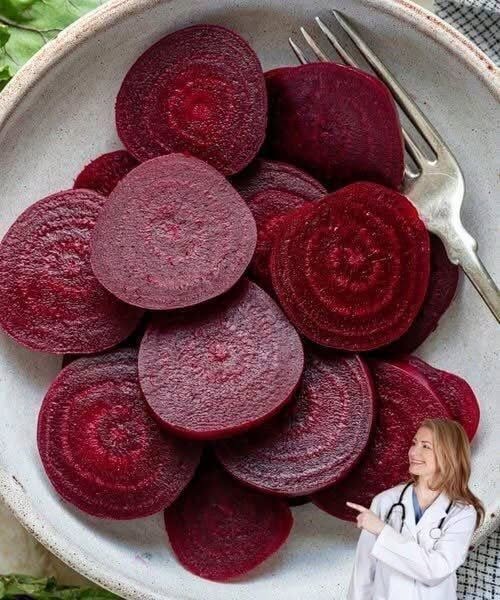
Doctors Reveal What Eating Beets May Cause
Beets (beetroot) are a nutrient-rich vegetable containing fiber, potassium, folate, nitrates, and antioxidants. For most people, eating beets is safe and can be part of a healthy diet. However, they can cause some noticeable effects:
1. Red or pink urine (beeturia)
- A harmless effect where urine turns pink or red after eating beets.
- It can look alarming but is usually not a sign of bleeding.
2. Red-colored stool
- Beets can also tint bowel movements red or purple.
- If you are unsure whether blood is present, it is worth checking with a healthcare professional.
3. Lower blood pressure
- Beetroot nitrates can help widen blood vessels, which may modestly lower blood pressure.
- People taking blood pressure medication should monitor their levels if they consume large amounts of beet products.
4. Digestive changes
- Because beets contain fiber, they may cause:
- Gas
- Bloating
- Changes in bowel habits, especially if you suddenly increase intake
5. Kidney stone concerns (for some people)
- Beets are relatively high in oxalates, which can contribute to kidney stone formation in people who are prone to calcium oxalate stones.
- Those with a history of kidney stones may need personalized dietary advice.
6. Blood sugar considerations
- Beets contain natural sugars, but their fiber content slows absorption.
- People with diabetes can usually include beets in a balanced diet, while keeping portions and total carbohydrate intake in mind.
7. Possible allergy (rare)
- Some people may experience allergic reactions, though this is uncommon.
Potential benefits of beets
- Supports heart health
- Provides antioxidants
- Adds fiber to the diet
- May improve exercise performance in some people due to natural nitrates
For most healthy adults, beets are a beneficial food. If you have kidney disease, a history of kidney stones, low blood pressure, or take blood pressure medication, it may be worth discussing your intake with a healthcare professional.
