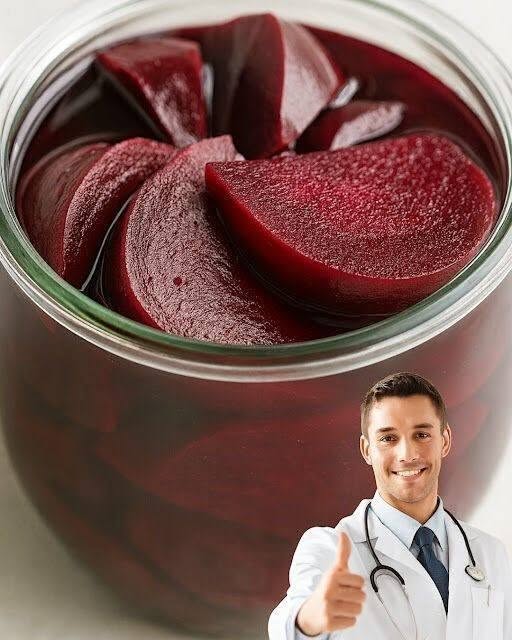
The claim “Doctors reveal that eating beets causes…” is incomplete and often used as clickbait. Beets are a well-studied vegetable, and they do have real, measurable effects on the body, but they are generally considered safe and nutritious for most people when eaten in normal food amounts.
Let’s break down what eating beets actually can cause—based on medical and nutritional knowledge.
What Eating Beets Really Causes (Scientifically Supported Effects)
1. Lower Blood Pressure (Most Important Effect)
Beets are rich in dietary nitrates, which the body converts into nitric oxide.
Nitric oxide helps:
- Relax and widen blood vessels
- Improve blood flow
- Lower blood pressure
👉 This is one of the most well-documented effects of beets.
Some people may notice a small to moderate drop in blood pressure, especially after drinking beet juice.
⚠️ Important:
People already on blood pressure medication should be cautious and avoid excessive intake without medical advice.
2. Red or Pink Urine and Stool (Harmless but Surprising)
Beets contain pigments called betalains.
After eating them, some people may experience:
- Pink or red urine (“beeturia”)
- Red or dark-colored stool
👉 This is harmless, but it can be mistaken for blood.
Not everyone gets this effect—it depends on digestion and individual metabolism.
3. Improved Exercise Performance
Because beets improve blood flow and oxygen use, they may:
- Increase stamina
- Reduce fatigue during exercise
- Improve endurance performance
This is why beet juice is sometimes used by athletes.
4. High Nutrient Intake
Beets are rich in:
- Folate (important for blood formation and pregnancy)
- Manganese (supports metabolism and bone health)
- Potassium (supports heart function)
- Fiber (supports digestion)
They support overall cardiovascular and digestive health.
5. Better Digestion (In Some People)
Beets contain fiber, which can:
- Improve bowel regularity
- Support gut health
However, in some individuals, they may also cause mild bloating.
Possible Side Effects of Eating Too Many Beets
Even healthy foods can have downsides in excess.
1. Kidney stone risk (for some people)
Beets are high in oxalates, which can contribute to kidney stone formation in susceptible individuals.
⚠️ People with a history of kidney stones may need to limit intake.
2. Low blood pressure (rare issue)
In people already prone to low blood pressure, beet intake may cause:
- Lightheadedness
- Dizziness
3. Digestive discomfort
Large amounts may lead to:
- Gas
- Bloating
- Mild stomach upset
4. Blood sugar considerations
Beets contain natural sugars, so people with diabetes should consume them in moderation and monitor their response.
What Doctors Actually Say About Beets
Medical nutrition experts generally agree that:
- Beets are a healthy vegetable
- They support heart health
- They are safe for most people in normal dietary amounts
- They are not a cure for disease, despite viral claims
The Truth Behind the Viral Headline
When you see statements like:
“Doctors reveal that eating beets causes…”
They usually leave out the key detail, such as:
- “lowers blood pressure”
- “red urine”
- “increased stamina”
The goal is often to create curiosity, not to give complete medical information.
Bottom Line
Eating beets can cause:
- Lower blood pressure
- Temporary red/pink urine or stool
- Improved exercise performance
- Better nutrient intake
But they are:
- Generally safe
- Not a miracle cure
- Best used as part of a balanced diet
If you want, I can also explain what happens if you drink beet juice every day for 7 days—that’s another popular topic with real but often misunderstood effects.
