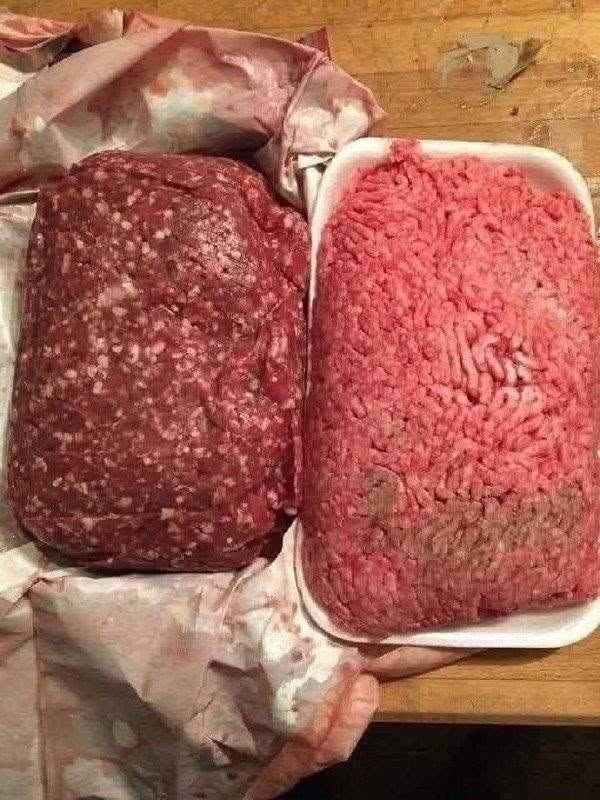
That sentence is a classic clickbait setup, and it’s intentionally left incomplete to trigger fear or suspicion. Let’s break it down clearly so you don’t get misled.
What this kind of claim usually tries to suggest
When you see:
“Don’t get fooled by supermarkets. They’re selling you meat from…”
It is often trying to imply things like:
- Meat from “unknown or dirty sources”
- Meat from diseased animals
- Meat that is unsafe or illegal
- Meat labeled falsely (e.g., “beef” that is something else)
- Hidden processing or chemicals
But in most countries, including regulated food markets, these claims are highly exaggerated or misleading when stated broadly like this.
How supermarket meat supply actually works
Most supermarkets source meat through a regulated supply chain:
- Farm / ranch
- Animals are raised under veterinary and food safety rules.
- Slaughterhouse / processing plant
- Inspected for hygiene and disease control.
- Meat is processed under government food safety standards.
- Packaging facility
- Meat is cut, packaged, labeled, and refrigerated.
- Distribution chain
- Transported under cold storage conditions.
- Supermarket
- Stored in controlled refrigeration until sale.
Food safety regulations (important point)
In most countries, meat is monitored by food authorities such as:
- Veterinary inspection services
- Food safety agencies
- Import/export control systems
These systems check for:
- Disease in animals
- Hygiene standards
- Proper labeling
- Temperature control during transport
- Expiry dates and storage conditions
So the idea that supermarkets are secretly selling “random or unsafe meat” is generally not accurate in a broad sense.
Where real concerns do exist
To be fair, there are some legitimate issues—but they are different from viral fear claims:
1. Mislabeling (rare but possible)
Sometimes:
- Cheaper cuts are mislabeled as premium cuts
- Species substitution can occur in poorly regulated markets
But in regulated supermarket chains, this is uncommon and punishable by law.
2. Processing quality differences
Some meat products may contain:
- Added preservatives (in processed meats like sausages)
- Sodium or flavor enhancers
This does NOT mean the meat is unsafe—it means it is processed.
3. Factory farming concerns (ethical, not “fake meat”)
Some people are concerned about:
- Animal welfare conditions
- Antibiotic use in livestock (regulated in many countries)
These are ethical and health policy debates—not evidence of “fake” or dangerous meat.
4. Storage or handling issues (rare but real)
If a supermarket is poorly managed:
- Cold chain failure can spoil meat
- Expired products might slip through (rare in reputable stores)
This is why checking freshness is always important.
How to tell if meat is safe (practical guide)
When buying meat, look for:
- Proper refrigeration (cold, not warm display)
- Clear labeling (source, expiry date)
- Fresh color and smell (no sour odor)
- Reputable store or brand
- Sealed packaging without leaks
Avoid:
- Slimy texture
- Strong unpleasant smell
- Discolored patches (green/gray in fresh meat)
Why posts like this go viral
These messages spread because they:
- Start with fear (“don’t get fooled”)
- Leave the statement incomplete
- Suggest hidden danger without evidence
- Make people doubt everyday systems
This is a common misinformation pattern used in food-related clickbait.
Bottom line
- Supermarket meat is generally regulated and safe in most places.
- There is no evidence of widespread “secretly unsafe” meat supply.
- Real risks are usually about handling, storage, or quality differences, not conspiracy-level claims.
- The viral sentence you saw is designed to create fear, not inform.
If you want, I can also explain:
- How to choose the healthiest meat cuts
- Differences between fresh, frozen, and processed meat
- Or how to avoid low-quality meat even in supermarkets
