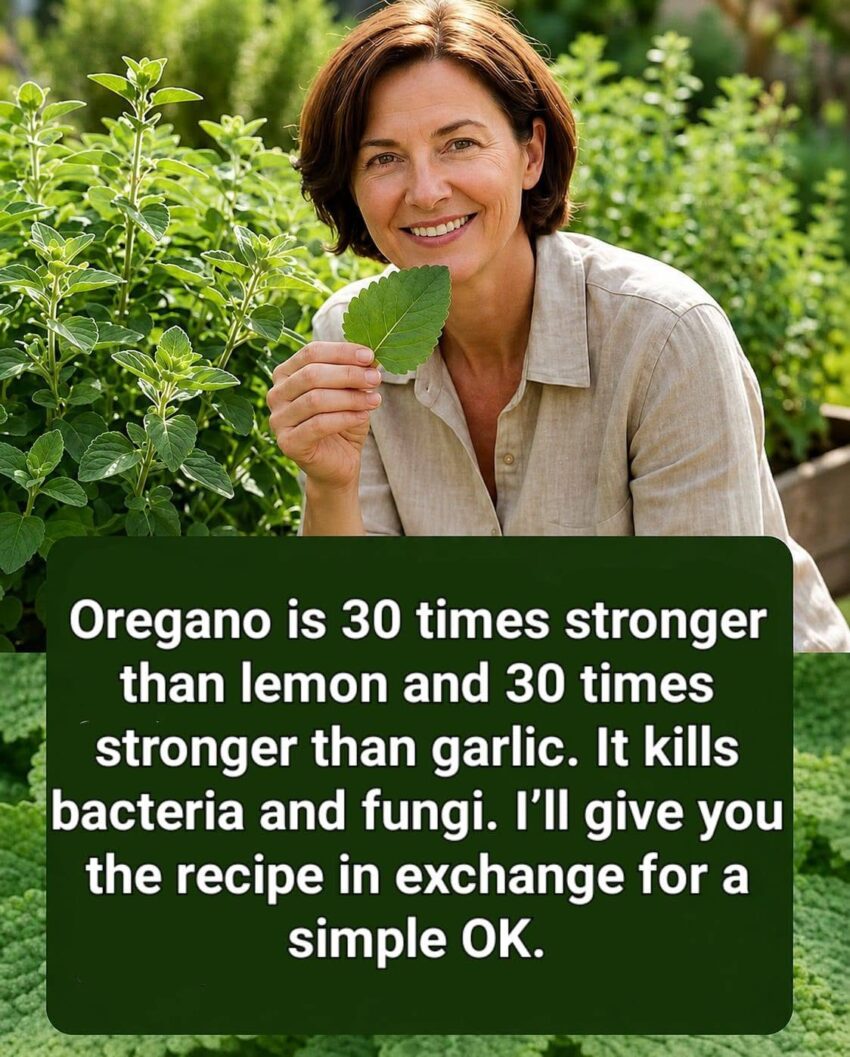
“Oregano Is 30 Times Stronger Than Lemon and Garlic” — What’s the Evidence?
Claims that oregano is “30 times stronger” than lemon or garlic and that it “kills bacteria and fungi” are usually overstated. Oregano does contain compounds with antimicrobial activity, but the strength of an effect depends on the specific compound, concentration, and how it is used.
What oregano contains
Oregano contains plant compounds such as:
- Carvacrol
- Thymol
In laboratory studies, these compounds have shown the ability to inhibit some bacteria and fungi. However, results from lab tests do not automatically mean oregano can treat infections in people.
Oregano oil vs. culinary oregano
- Oregano as a food seasoning: Generally safe and can add flavor and beneficial plant compounds to the diet.
- Oregano oil supplements: Much more concentrated and may cause side effects, especially if taken incorrectly.
Possible risks of concentrated oregano oil
High-dose oregano oil may cause:
- Stomach upset
- Nausea
- Heartburn
- Allergic reactions (especially in people sensitive to plants in the mint family)
- Possible interactions with some medications
Important:
- Oregano does not replace antibiotics, antifungal medicines, or antiviral treatments when those are medically needed.
- A urinary tract infection, serious bacterial infection, or fungal infection should be properly diagnosed and treated.
Using oregano in cooking can be a healthy choice, but claims that it is a universal “natural antibiotic” or “30 times stronger” than other foods are not supported by strong human evidence.
