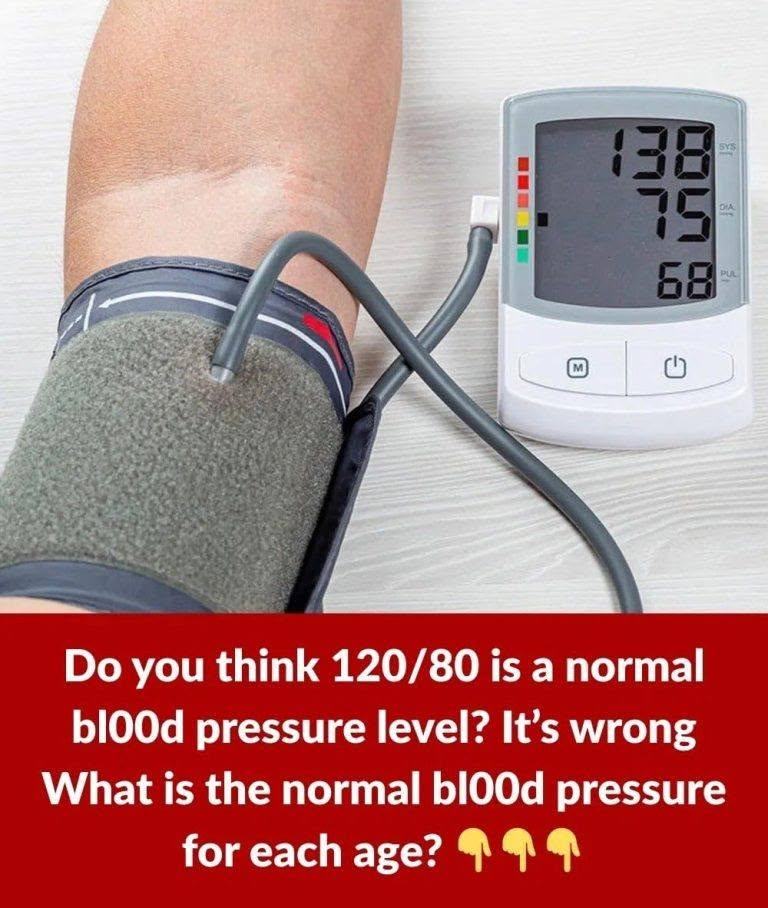
Blood pressure (BP) is the force of blood pushing against the walls of your arteries. It is measured using two numbers:
- Systolic pressure (top number): pressure when the heart beats
- Diastolic pressure (bottom number): pressure when the heart rests between beats
It is written like this: 120/80 mmHg
🩺 Normal Blood Pressure by Age (Detailed Guide)
There is no completely different “normal BP” for every single age, but there are general ranges that are considered normal or healthy depending on age groups. Blood pressure tends to be lower in children and gradually increases as people grow older.
👶 1. Newborns (0–1 month)
- Normal range: 60–90 / 20–60 mmHg
- Very low compared to adults because their circulatory system is still developing
👉 Example: 70/40 mmHg is normal for a newborn
👶 2. Infants (1 month – 1 year)
- Normal range: 80–100 / 50–65 mmHg
👉 BP rises quickly in the first year of life as the body grows
🧒 3. Toddlers (1–3 years)
- Normal range: 90–105 / 55–70 mmHg
👉 Still lower than adults, but steadily increasing
👦 4. Preschool & School Age (4–12 years)
- Normal range: 95–110 / 60–75 mmHg
👉 At this stage, BP becomes more stable
🧑 5. Teenagers (13–18 years)
- Normal range: 110–120 / 65–80 mmHg
👉 Very close to adult values
🧑⚕️ 6. Adults (18–60 years)
✔ Normal BP:
- Less than 120 / 80 mmHg
✔ Ideal range:
- Around 110–120 / 70–80 mmHg
⚠ Elevated:
- 120–129 / less than 80
⚠ High Blood Pressure (Hypertension):
- 130/80 mmHg or higher (according to modern guidelines)
👴 7. Older Adults (60+ years)
- Normal range: 120–130 / 70–80 mmHg
👉 Slightly higher systolic BP is common due to natural stiffening of arteries with age
📊 Quick Summary Table
| Age Group | Normal BP Range |
|---|---|
| Newborns | 60–90 / 20–60 |
| Infants | 80–100 / 50–65 |
| Toddlers | 90–105 / 55–70 |
| Children | 95–110 / 60–75 |
| Teens | 110–120 / 65–80 |
| Adults | <120 / <80 |
| Elderly | 120–130 / 70–80 |
⚠️ Important Notes (Very Important)
1. One “perfect number” does NOT exist
Blood pressure varies based on:
- Stress
- Physical activity
- Sleep
- Weight
- Salt intake
- Genetics
2. BP changes during the day
- Lowest during sleep
- Higher in morning
- Rises during stress or exercise
3. One reading is not enough
Doctors usually diagnose BP problems only after:
- Multiple readings on different days
4. Dangerous levels
🚨 Low blood pressure (Hypotension)
- Below 90/60 mmHg
- May cause dizziness, fainting
🚨 High blood pressure (Hypertension)
- 130/80 mmHg or higher
- Can damage heart, kidneys, brain over time
❤️ Simple Way to Remember
- Children = lower BP
- Teens = almost adult BP
- Adults = under 120/80 is ideal
- Older adults = slightly higher systolic is normal
If you want, I can also explain:
- How to check blood pressure at home correctly
- Symptoms of high and low BP
- What foods increase or reduce BP
- Normal BP for your exact age and situation
Just tell me 👍
