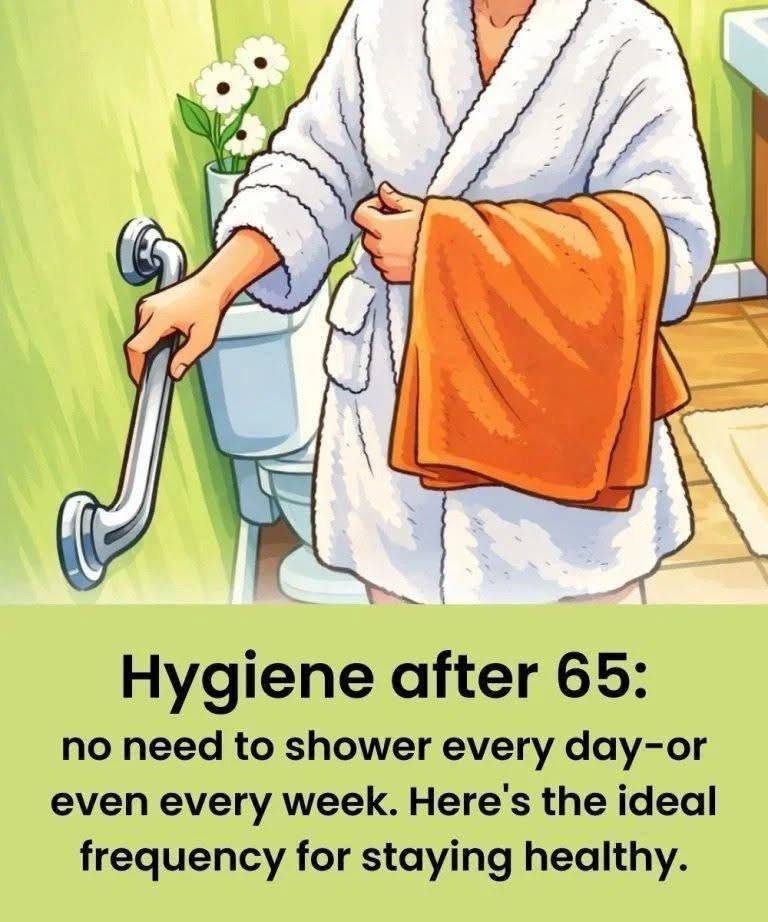
Why Daily Showers After 65 May Do More Harm Than Good
As we age, our skin naturally becomes thinner, drier, and more delicate. While good hygiene remains important, taking long, hot showers every day may not be the best choice for everyone over 65. The ideal bathing routine depends on your health, activity level, climate, and personal preference.
Why Skin Changes After Age 65
As you get older, your skin:
- Produces less natural oil (sebum)
- Holds less moisture
- Becomes thinner and more fragile
- Takes longer to repair itself
These changes make older adults more prone to:
- Dry, itchy skin
- Cracking
- Irritation
- Skin infections if the skin barrier is damaged
1. Daily Hot Showers Can Dry Out the Skin
Hot water and soap remove the skin’s natural protective oils.
This may lead to:
- Dryness
- Flaking
- Itching
- Increased sensitivity
Better approach:
- Use warm, not hot, water.
- Keep showers to about 5–10 minutes.
2. Too Much Soap Can Irritate the Skin
Using soap over your entire body every day isn’t always necessary.
Focus soap on areas that need it most, such as:
- Underarms
- Groin
- Feet
- Hands
For the rest of the body, warm water may be enough on some days.
3. Frequent Bathing May Worsen Certain Skin Conditions
People with conditions such as:
- Eczema
- Psoriasis
- Very dry skin
may find that daily showers, especially with hot water or harsh soaps, make symptoms worse.
Using a fragrance-free moisturizer immediately after bathing can help lock in moisture.
4. Longer Showers Increase Fall Risk
Bathrooms can be slippery, and older adults are at higher risk of falls.
To improve safety:
- Use a non-slip bath mat.
- Install grab bars if needed.
- Consider a shower chair if balance is a concern.
How Often Should Older Adults Shower?
There is no one-size-fits-all answer.
Many dermatologists suggest that some older adults may do well with:
- A full shower 2–3 times per week, if they are not sweating heavily or getting dirty.
- Washing the face, hands, underarms, groin, and feet daily.
People who exercise, work outdoors, or have medical reasons for daily bathing may still benefit from showering every day.
Tips for Healthier Bathing After 65
- Use lukewarm water instead of hot water.
- Choose a mild, fragrance-free cleanser.
- Pat the skin dry with a towel instead of rubbing.
- Apply moisturizer within a few minutes after bathing while the skin is still slightly damp.
- Drink enough fluids to support overall hydration.
When to See a Doctor
Talk to your healthcare provider if you develop:
- Persistent itching
- Cracked or bleeding skin
- Signs of infection (redness, warmth, swelling, or pus)
- A rash that doesn’t improve with gentle skin care
Bottom Line
Daily showers are not harmful for everyone over 65, but frequent hot showers and excessive soap use can contribute to dry, irritated skin in many older adults. A shorter shower with warm water, gentle cleansers, and regular moisturizing can help keep skin healthy. The best bathing routine is one that matches your skin’s needs, activity level, and overall health.
